Dance Medicine and Science – a developing field. Guest Blog by Dr Manuela Angioi
January 27, 2012 1 Comment
 Dance medicine and science is a relatively young discipline, while the wealth of information available to scientists and all those working in the dance field is expanding and moving ahead rapidly. This is also reflected in the increasing number of dance-related articles now appearing in sports medicine and science journals.
Dance performance depends on a large number of physical and psychological elements, while dancers are expected to be experts in the aesthetic as well as technical side of the art and be free from injuries. On the other hand, dance is a “high risk” activity for musculoskeletal injuries, with a recorded high prevalence and incidence of lower extremity and back injuries, with soft tissue and overuse injuries predominating.
The majority of studies refer to mixed samples of dancers, in terms of levels and styles or techniques. But should we look at dancers as a uniform group of “performing” athletes?
One of the peculiar characteristics of dance is that it is NOT just “one form of performing art or exercise”. Within the “dance box” there are a number of styles (or techniques), including: ballet, contemporary (or modern), jazz, hip hop, theatrical, street dance, aerobic and ballroom dance. These styles differ significantly in terms of, at least, technical requirements, physical prerequisites and training models. It is therefore assumed that different dance styles should have different statistics in terms of injury rate, type and incidence.
It becomes more complicated when looking at levels of dancers. In the dance world there are different “employment scenarios” beyond the “ordinary” classification of professionals versus non professionals. To simplify, dancers can be classified as professionals (these are usually only ballet or contemporary dancers), in training (vocational or non vocational) and then they could be performing for a number of days per year but they also have other occupations or they are without a formal contract (independent dancers). Total hours of training and performing, as such, can vary significantly even within the same “style” according to the “employment status” which, in turn, can affect injury rate and severity. Hence, it is not a surprise discovering the heterogeneity of the dance medicine literature in terms of injury type, rate and incidence.
The majority of published research studies have focused on ballet and contemporary dance, while there is a lack of information about other styles or techniques. Again, majority of studies have looked at either professional or pre-professional dancers, while there is a paucity of data regarding recreational and amateur dancers, even if there is an estimated number of 4.7 million participants at recreational level in UK only. There a very few published epidemiological studies while majority of reviews are weak. The overall feeling is that there is a need for more data before drawing consistent conclusions about musculoskeletal injuries of dancers. As such, similar approaches as the one recently adopted by Campoy and colleagues, who looked at injuries characteristics in four different dance styles, are needed to broaden the ongoing dance medicine literature.
Reference
Campoy S et al. 2011. Investigation of Risk Factors and Characteristics of Dance Injuries. CJSM 21(6): 493-498
(The author of this article is Dr Manuela Angioi, Research Supervisor and research methods module leader on the MSc in Sport and Exercise Medicine at the Centre for Sport and Exercise Medicine, William Harvey Research Institute, Queen Mary University London)
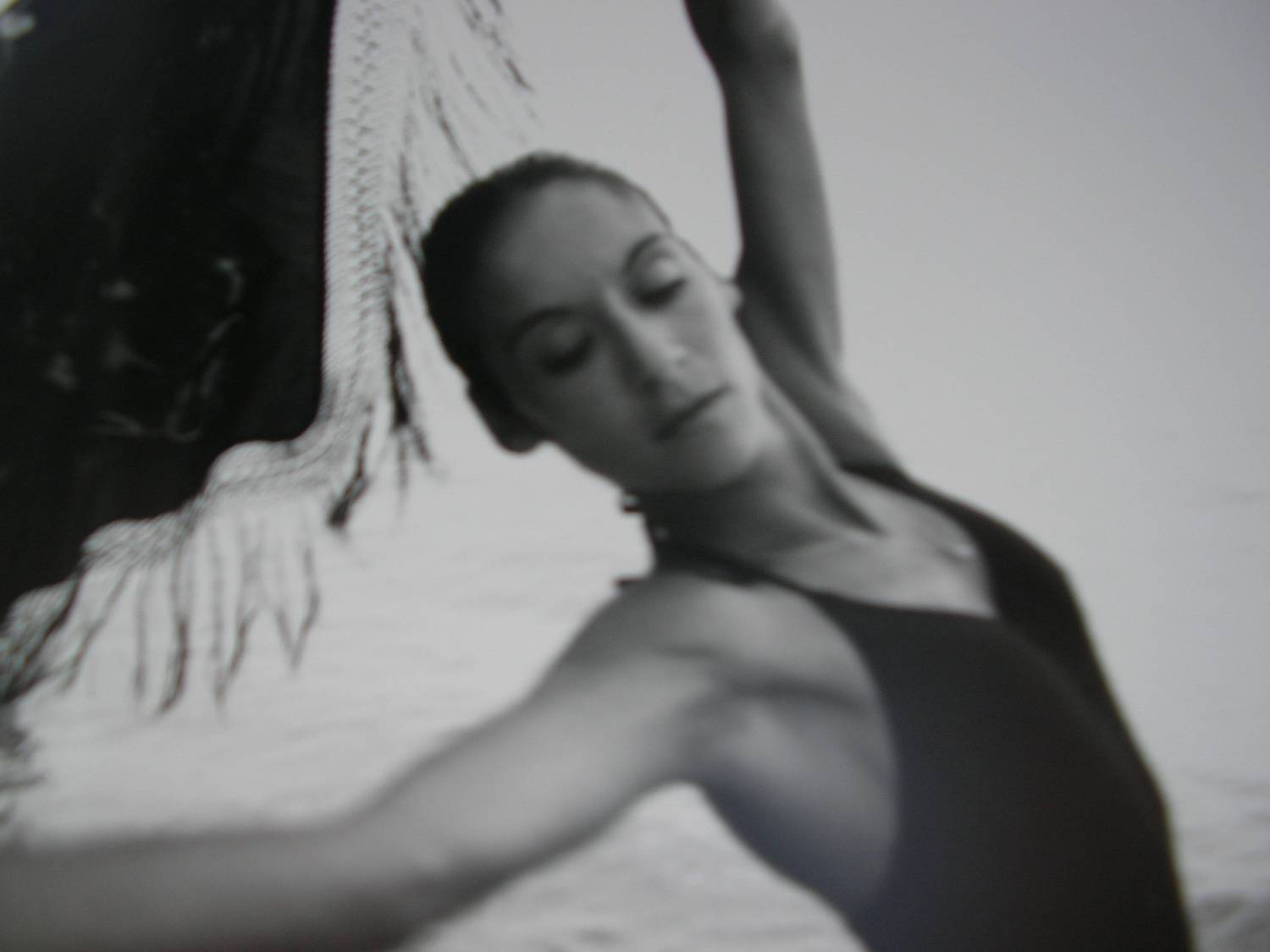
(Photograph, Dr Angioi practising her art)

Leave a Comment



 Clinical Journal of Sport Medicine Blog