CJSM Podcast 10: Exercise-associated Hyponatremia, the 2015 Consensus Statement

jsm-podcast-bg-1#DrinkToThirst is the hashtag that needs to trend in the sports medicine world!

Exercise-associated hyponatremia (EAH), a preventable and treatable but potentially life-threatening condition that can affect athletes under our care, is the topic of our tenth podcast.  And #DrinkToThirst is one of the chief themes to be found therein.

We’re proud to publish the 3rd international consensus statement on EAH in our July 2015 CJSM, and we’re delighted to have the lead author as our guest on the associated podcast.

tami%20and%20snow%20bear[1]

Dr. Hew-Butler and friend.

Dr Tamara Hew-Butler is an associate professor of Exercise Science at Oakland University in Rochester, MI. She obtained her: BS in Kinesiology at the University of California at Los Angeles, CA; Doctor of Podiatric Medicine (DPM) at Temple University in Philadelphia, PA; Residency and Fellowship at the Harris County Podiatric Surgical Residency Program, Houston, TX; and Philosophy Doctor (PhD) at the University of Cape Town, South Africa. Dr Hew-Butler is a Fellow of the American College of Sports Medicine (FACSM) and specializes in both sports medicine and exercise physiology. Her expertise is in exercise-associated hyponatremia and the endocrine regulation of fluid balance during exercise. She trained under Timothy D. Noakes MD, DSc and Joseph G. Verbalis MD and has published ~50 papers on the topic.

Join us in the rousing conversation, and learn i) why athletes should #DrinkToThirst; ii) why sidelines should have hypertonic saline as well as AEDs and access to cold-water immersion therapies; iii) and so much more.

The National Athletic Trainers Association (NATA) Meeting — St. Louis 2015

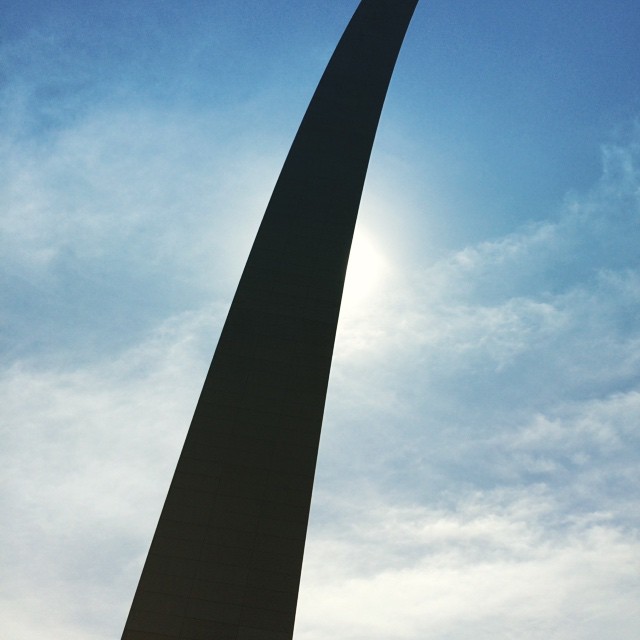
the arch

Eero Saarinen’s Gateway Arch is the signature structure of the St. Louis skyline
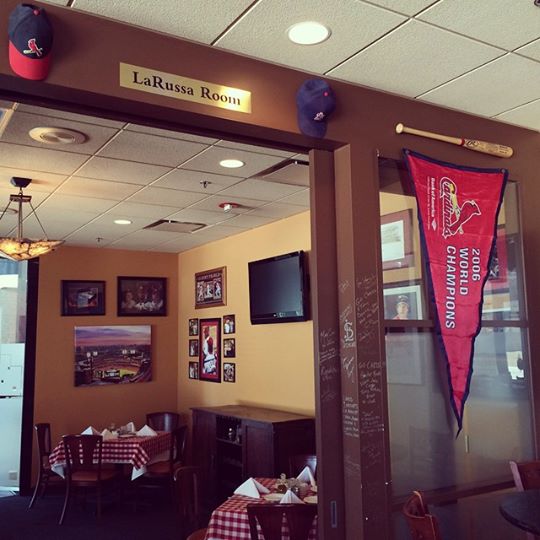
larussa room st louis

They love their Cardinals in St. Louis

I’m honored to have been asked by the folks at NATA to give a talk at their annual gathering, which is taking place right now in St. Louis.

The subject of my talk is how one can use modern technology to stay abreast of the medical literature.  The punch line is:  get on social media, if you’re not there already.

From eTOCs to Twitter, podcasts to blogs, who to follow and when to mute:  I’ll be covering that while I speak here at #NATA2015.

I continue to be amazed at times just how functional social media can be, how important it is for me professionally.  I’m ‘in the know’ when it comes to CJSM, since I’m on the Editorial Board.  But for breaking news from other journals?  Nothing beats social media. Just yesterday I learned on Twitter of a  new meta-analysis of the benefits of high-intensity interval training (HIIT) for improving health-related physical fitness in adolescents from our friends at BJSM.  Twitter!
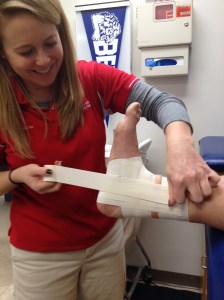
gail taping ankle

@GSwish — just one of the many fabulous ATCs with whom I work @NCHSportsMed

Reflecting on this meeting, I find it hard to imagine working in this profession of sports medicine without the team play of the certified athletic trainers (ATCs) with whom I collaborate in the clinic and on the sidelines.  ATCs are on the front line when caring for athletes, at least here in the United States.  Almost every significant injury prevention strategem — ranging from identification and early treatment of exertional heat illness, to removing concussed athletes from the field of play — turn on the education, and application of that knowledge, by this amazing group of professionals.

Beyond that, the research these folks do is truly impressive.  Some names of authors who are well known to the readers of CJSM — Kevin Guskiewicz, Tracey Covassin, Jason Mihalik, Johna Register-Mihalik — are all ATCs, and all here in St. Louis.

So I’m getting ready to listen to some great talks given by those folks as well as other invited guests, including the epidemiologist Dawn Comstock and the NCAA Medical Director Brian Hainline.  And I’m getting ready to share what I have heard.  Follow us on Twitter @cjsmonline for some of the breaking news from #NATA2015 !

Jet Lag

One of the more popular studies we have published in the last few years has been ‘Jet Lag and Travel Fatigue:  A Comprehensive Management Plan for Sport Medicine Physicians and High-Performance Support Teams.’  The paper was written by Charles Samuels, M.D., the Medical Director of the Centre for Sleep and Human Performance, Calgary Alberta and published in our May 2012 CJSM.  It has been ‘hit’ on-line and emailed many, many times.  If you have not had the chance to read it yet, it remains freely available; my colleague Chris Hughes previously reviewed the study in depth on this blog as well.

I am thinking about this study quite a bit right now, as I recover from 24+ hours of travel making my way back from SE Asia to my home in Columbus, Ohio, where I resume work seeing patients tomorrow a.m.  I’m using melatonin to help re-adjust my circadian rhythm so that I can be as ‘sharp’ as possible taking care of the athletes I’ll see soon.  I began taking 0.5 mg melatonin each morning in Thailand 2 days before departing; and now that I am back in the USA I will continue taking 0.5 mg melatonin each night for five nights.  So far, so good.

I thought it high time that I post a poll on this blog.  I have been remiss in not doing so for several months.  And so, whether you are a clinician who manages teams doing a lot of long-distance travel, or whether you are only responsible for yourself, I have written this poll for you!  Let me know your management of this common problem–and if you have not had the chance to read this study previously, by all means do so!!!


CJSM in Southeast Asia

lunchdocs-2

With Suthichai Yoon (L), Dr. Mokkhavesa (standing) and Dr. Lamsam (R) at ‘The Cup’

I’m enjoying a vacation with my family in Thailand and Vietnam, and I can’t help but notice that sports is as big of a deal here as it seems to be anywhere else I travel.  In the time I’ve been here Chelsea F.C. has played in a friendly with the Thai All Stars, Leicester City has made a name (infamous) for itself during their visit to Thailand, and the sports news is full of results from the Southeast Asian (SEA) Games which began June 5 and are taking place in Singapore.

mo celebrating

A Barca fan celebrating Champions League triumph in the middle of the night, Vietnam

And all that is only the local and regional sporting news.  Like so many others here in SE Asia, I am trying to stay abreast of developments at Roland Garros and in the NBA and NHL finals.  I delighted in the news that came in this morning on American Pharoah’s achievement:  the first Triple Crown in 37 years!

My Thai is rudimentary and my Vietnamese non-existent; and so I’m happy to report that the English news in Thailand especially is extremely well developed.  The Nation newspaper, a daily English paper which is part of the Nation Multimedia Group, is part of my morning routine here in SE Asia–both in print and on line–and helps keep me abreast of the sporting news.

Where there is sports there is sports medicine.  Before coming to Vietnam, where I am writing this blog post, I enjoyed an excellent lunch at The Cup in Bangkok with Drs. Chanin Lamsam and Suprija Mokkhavesa, and Mr. Suthichai Yoon, to suss out the sport medicine and publishing landscape in Thailand.  Dr. Lamsam is Head of Orthopaedic Sports Medicine at Siviraj Hospital and is on faculty at Mahidol University.  Dr. Mokkhavesa has spent his career in military medicine, and is in the Department of Orthopaedics at Phramongkutklao Hospital in Bangkok.  And Suthichai Yoon is Co-founder of the Nation Multimedia group.

Dr. Lamsam gave me some sense of the sport medicine scene in Thailand.   Read more of this post