The Confederations Cup and Estadio do Maracana

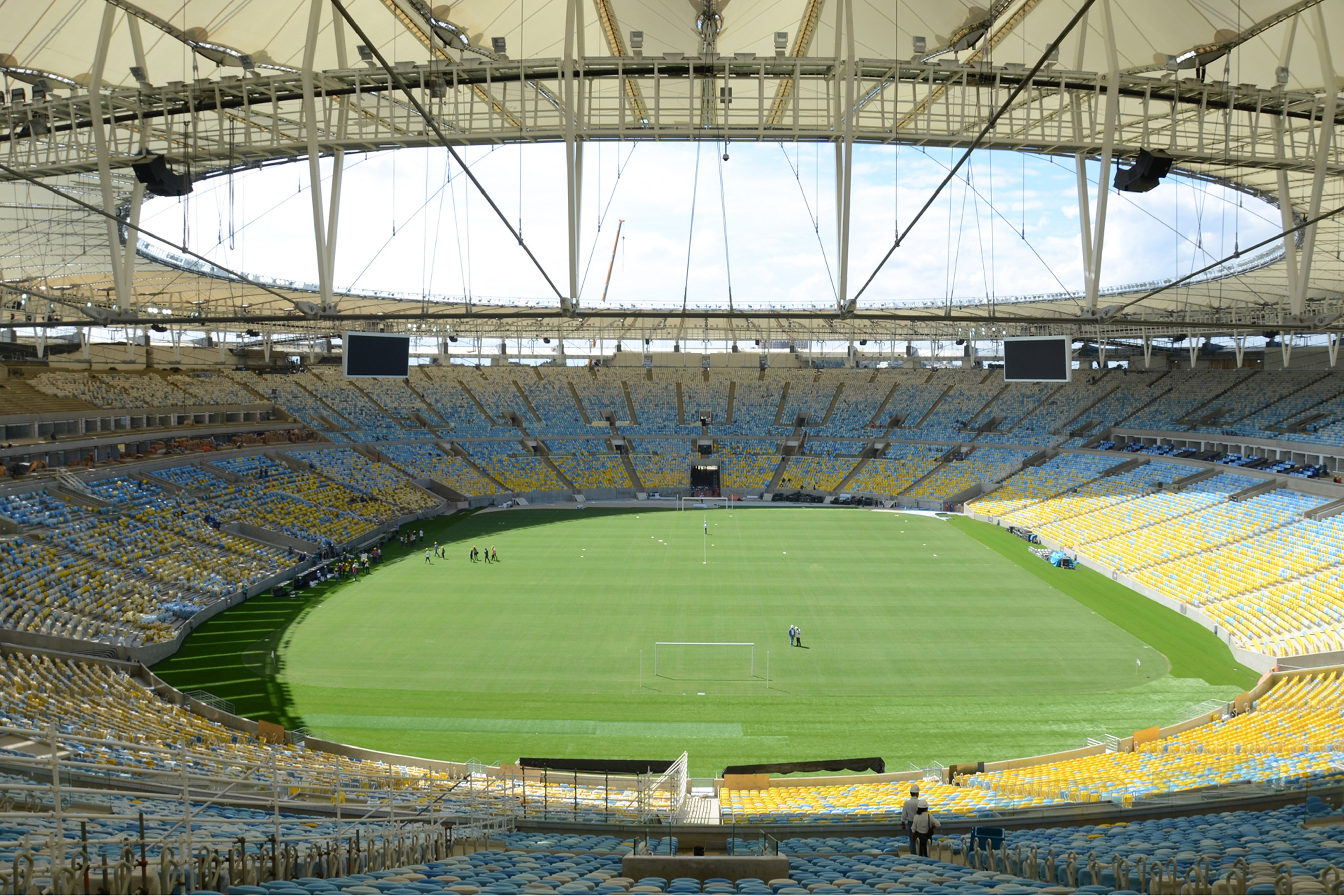
Maracana_internal_view_april_2013

Seleção Brasileira played on the grass of Estadio do Maracana.
Photo courtesy of Erica Ramalho/Wikimedia

Brazil was in epic form last night when they ripped Spain 3 – 0 to win the Confederation’s Cup in Rio’s glittering Estadio do Maracana (Maracana Stadium).

As many of the readers know, there have also been epic clashes throughout the country.  Large crowds have protested several issues, not the least of which is the huge capital investment the country is making in its sporting infrastructure, in lieu of other public works, heading into the 2014 World Cup and 2016 Summer Olympics (in Rio de Janeiro).

I certainly don’t pretend to understand the politics, but last night’s glorious football got me to thinking about a sports medicine controversy:  turf v. grass, which playing surface is safer for football (futbol, soccer) players?

This blog has discussed this issue before, with posts by me and the  previous on line editor, Chris Hughes, which I would recommend to you.

But today, I thought I would put the issue to the readers:  which surface do you think is safer for football/soccer players?  Take the poll below, or at the journal’s main page, and let us know.  I’ll  post the results in a week.  Feel free as well to elaborate on your vote in the comments section below.

If you didn’t get the chance to check out our blog posst on the weekend’s other huge sporting events,  the first stages of The Tour de France and Wimbledon, please do so and let us know what you think.

Is it really already July?!!  Have a good week!

Le Tour et La Corse

800px-Panorama_view_mountains_in_Corsica

Les montagnes de L’Île de Beauté: La Corse

…et La Centieme:  The 100th edition of Le Tour, the Tour de France, begins today, with the Grand Start in Corsica for the first time in the race’s history.

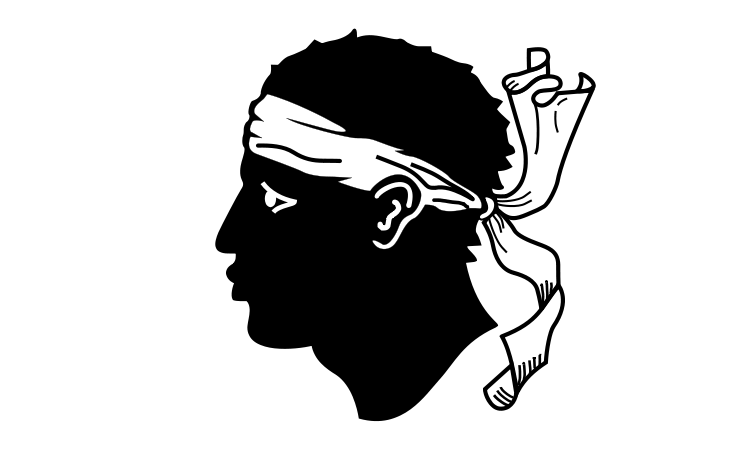
750px-Flag_of_Corsica_svg

Who needs the Tricolor? The Flag of Corsica: once an independent republic, now part of France, still with its own language and distinct customs.

What a way to celebrate the centennial of the Tour!

Corsica, or La Corse, is a French island in the Mediterranean, and is comprised of two of that nation’s departments: Haute-Corse and Corse-du-Sud.  It is the only region of France which has not previously hosted a stage of Le Tour.

The island has a long history, perhaps best told in one of the finer travel books I have ever read, The Granite Island, by Dorothy Carrington.  The island has passed through many hands over its history:  the Carthaginians, Romans, Genoans and others have all claimed the island for their own.  The island even enjoyed an independent existence for some years:  the Corsican Republic was formed in 1755 under the leadership of Pasquale Paoli.  Corsica’s most famous son, Napoleon, was born there in 1769.  And it was during the time of the “Napoleonic wars” that he set loose on Europe that the island became part of France.  It has remained a part of that country ever since.

I have a special fondness for this land, known by the French as  L’Île de Beauté:  the Isle of Beauty.  I have visited Corsica twice, and was smitten with the island from the first my eyes lay sight on the port of Calvi. (Some readers may recognize Calvi as the site of the 2011 IOC Advanced Team Physician course.)

Corsica is quite simply arresting:  from its mountains and trails, to its beaches, to the very smell of the island (its vegetation, known as the ‘maquis’, has a distinctively lovely fragrance), it can put anyone under its spell.

That said, I suspect the cyclists in Le Tour this year may be smitten in a different way than I was on my visits.  Like any beauty, Corsica has its caprices.  The mountains I found lovely will almost certainly pose extraordinary challenges to the competitors.

GR_20_Cirque_de_la_solitude

Cirque de la solitude: in the mountains of central Corsica

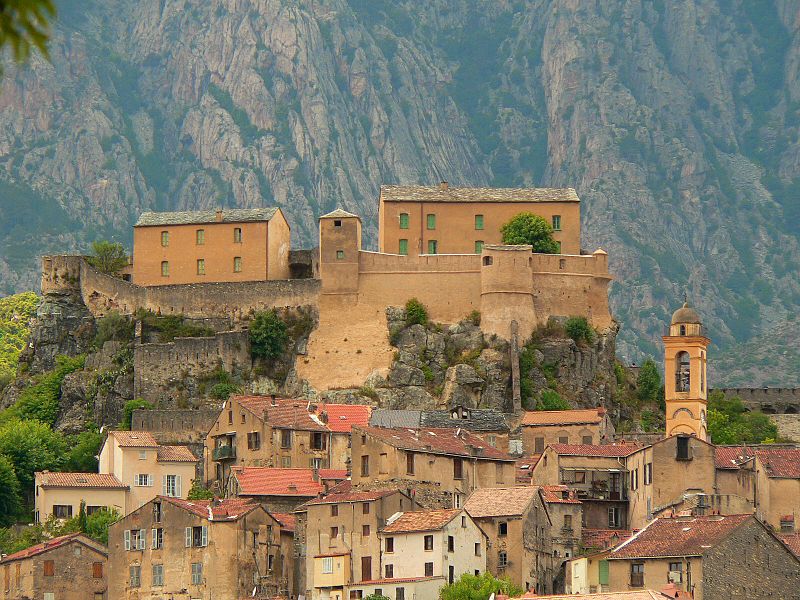
corte

The capital of Corsica: Corte, through which the 2nd stage of the Tour will pass


The second stage of the Tour this year will traverse the mountains that form a spine through the center of the Island, heading from Bastia on the east coast, through the mountainous capital of Corte, and ending on the west coast in Ajaccio, the birthplace of Napoleon.  The Tour’s website describes the ride as a rollercoaster; “Expect some real damage,” the site boasts menacingly!    Let’s hope no one meets his ‘Waterloo’!

Read more of this post

My Final Day at ACSM 2013

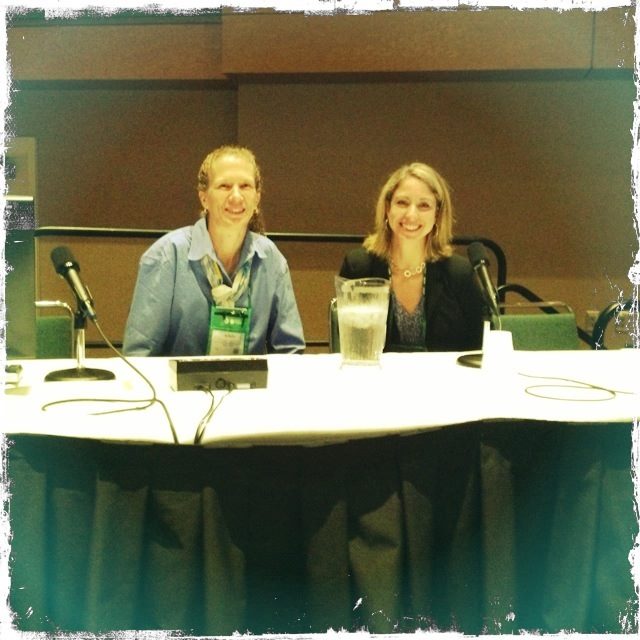
972307_10151615712654581_399352276_n

Drs. Ackerman and Karlson getting ready to talk about rowing!

Where did the time go?

The last day for the 2013 American College of Sports Medicine Annual Meeting in Indy has come and gone (unbelievably) and I want  to share with you some of the highlights of the sessions I attended.  It was a busy, fulfilling, and energizing few days of a conference that already has me thinking about future meetings:  AMSSM, CASEM and ACSM 2014 (not to mention heading to an Australian Sports Physicians Meeting some day!)

I attended a rowing medicine session delivered by Drs. Kate Ackerman, Timothy Hosea and Kris Karlson which I thoroughly enjoyed.  Dr. Hosea, a Team Physician for the U.S. National and Olympic Rowing teams, chaired the session, and together the three reveiwed a host  of the most common issues in the scientific and clinical care of this special group of athletes.  Among many new pieces of information I walked away with, they pointed out an excellent review article on the subject from Lisa McDonnell of New Zealand which I would commend to the blog’s readership.  In addition, for anyone interested in this topic who was not able to attend the session, and who is not familiar with our journal’s excellent series of journal club articles, I would point you in the direction of the journal club review from 2011 CJSM authored by Seamus Dalton of Australia which reviews a 1997 study by Hickey et al.

andrew gregory

Drs. Andrew Gregory of Vanderbilt, Nashville, TN and Greg Canty of Children’s Mercy Hospital, Kansas City MO

Next, I attended a session on “Injury Prevention Equipment in Youth Sports” delivered by my friends Andrew Gregory, M.D. and Greg Canty, M.D.  This is a topic of special interest to me, as it not only involves pediatric athletes, my area of medical specialization, but addresses the issues of primary and secondary prevention of injuries.

Dr. Canty discussed the issues of head, mouth and neck gear, with a particular focus on their use in mitigating the rate of concussions in contact and collision sports.  Dr. Gregory focused on a broad overview of protective equipment, and the most important facts I took away from his talk concerned the rare but catastrophic injury, commotio cordis.

This injury cannot be prevented by commercially available chest protectors:  there are no data in any peer-reviewed study that have shown a decrease in the rate of commotio cordis for athletes playing baseball, softball, hockey or lacrosse.  There is, however, evidence in favor of using “safety baseballs,” a softer version of a baseball which meets specifications set by the National Operating Committee on Standard for Athletic Equipment (NOCSAE).

Read more of this post

Youth Sports Violence

momosoccer

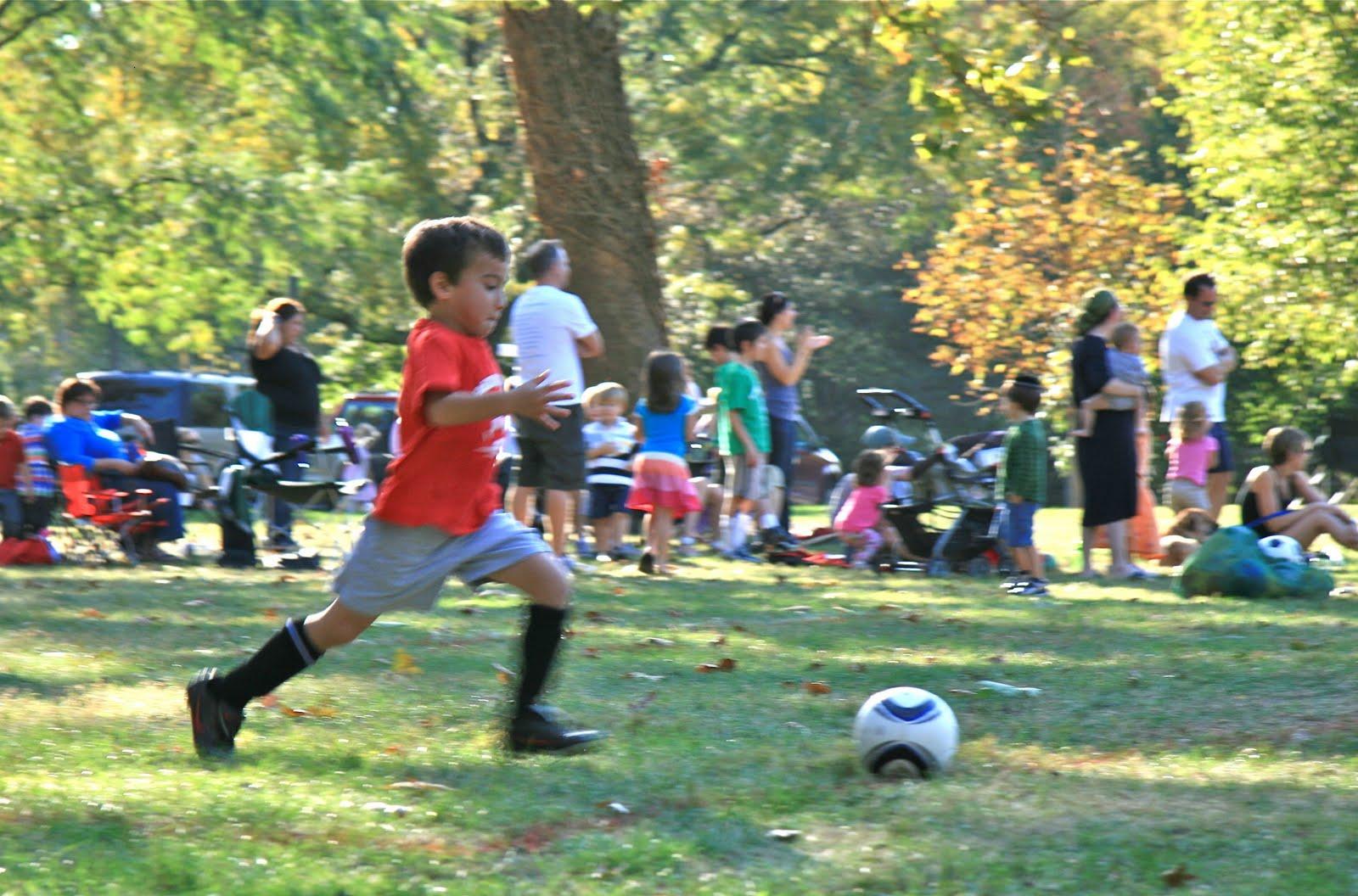
What youth sports should be: sheer joy

I woke up this morning to my usual routine:  coffee and the sports page. Both are necessary for me to get up and going in the morning.   Sport, I think many readers would agree, is usually a source of joy, and so it was with equal measures of sadness and shock that I read about the death yesterday of a soccer referee, Ricardo Portillo.

It’s a heartbreaking story, with a 46-year-old gone, a family fatherless, and a 17-year-old who will soon be tried for murder,  whose life will never be the same and whose own family has been irrevocably changed.

All because of one moment of violence.

Mr. Portillo was working in La Liga Continental de Futbol, a youth soccer organization in Salt Lake City, Utah. Apparently he saw the young man commit a shoving foul after a corner kick; when he cautioned the player and gave him a yellow card, the young man punched the unsuspecting Mr. Portillo in the face.   He immediately fell to the ground and was transported to hospital, where he spent a week in a coma prior to passing away.  The details, including clinical descriptions of the victim after the assault, can be found here.

The article gave me pause and got me to thinking specifically about the incidence of such events in youth sports, which I will discuss subsequently.   The specific issue at hand–how often do referees get assaulted on a playing field–was addressed in the NY Times article: “Reliable data on referee assaults at all levels of all sports does (sic not exist, but there have been several violent events worldwide in recent months (my itals),” and the article goes on to enumerate several of these involving referees.  In truth, however, there seem to be no epidemiological data addressing this issue that the reporter could find.

But for one moment, what of the general issue of violence in sports?

Zinedine_Zidane_2008

Zinedine Zidane in repose

Read more of this post