Biking in the Midwest

tour of grandview

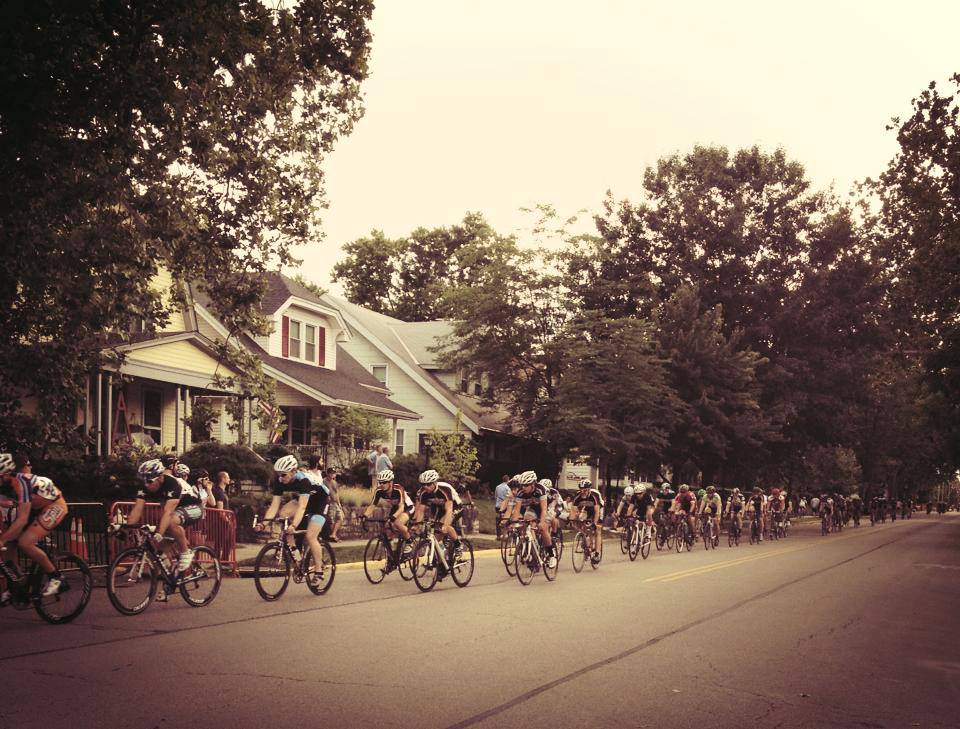
Tour of Grandview Criterium

It’s mid July and the Tour de France is heading into the home stretch, but here in the Middle of America, biking events are heating up.  The famed Ragbrai–a traverse across the state of Iowa–begins in a week. The Hotter’N Hell Hundred Endurance Ride (a hundred mile ride during a month where the average daily high is 96 F) takes place in Wichita Falls on August 24…..

I’ve lived across the USA and across the world, but I’m a native Midwesterner, and proud of that fact:  born in Iowa, secondary school in Michigan, now rearing my children in Ohio.  I don’t know if many people realize what a ‘big deal’ long distance bike riding is here in the American Heartland.  The region has come a long way since the days of the movie  “Breaking Away,” the plot of which turns on the idea that an Indiana high schooler’s  devotion to long distance biking is quirky, and foreign; that in the 70’s a word like “Campagnolo” would be more apt to be identified as a pasta than a bicycle parts maker.

The Tour of Grandview and The Great Ohio Bicycle Adventure (GOBA) are just two of these festivals of Midwestern, mid-summer biking, both taking place in Central Ohio.  And I have the privilege of knowing and working with the Medical Director of both:  Dr. Tom Pommering.  I asked him to do a guest blog on his adventures in June covering the 25th annual GOBA, and the following is his report!

__________________________________

Thomas L. Pommering, DO, FAAFP

with ice dr p

Dr. Tom Pommering enjoys the ice after an ‘optional’ 100 mile ride. Cool down, then time to get to the medical tent to care of some riders.

GOBA is a week-long bicycling tour that brings up to 3000 cyclists, ages 2-90, from 40 states and several countries on a daily 50 mile ride through the peaceful countryside of Ohio.   With such a large and diverse group of people performing this daily strenuous activity, there exists a need for a unique medical system to support this group for a week.  For almost 20 years, I have had the privilege of directing the GOBA Medical System.  There are many logistical challenges to providing medical coverage to a large participant group that is traveling to a different venue each day while being exposed to the elements, environment and each other.  Here are a few pointers I’d like to share with anyone else who may be tasked with this responsibility. Read more of this post
Ramadan

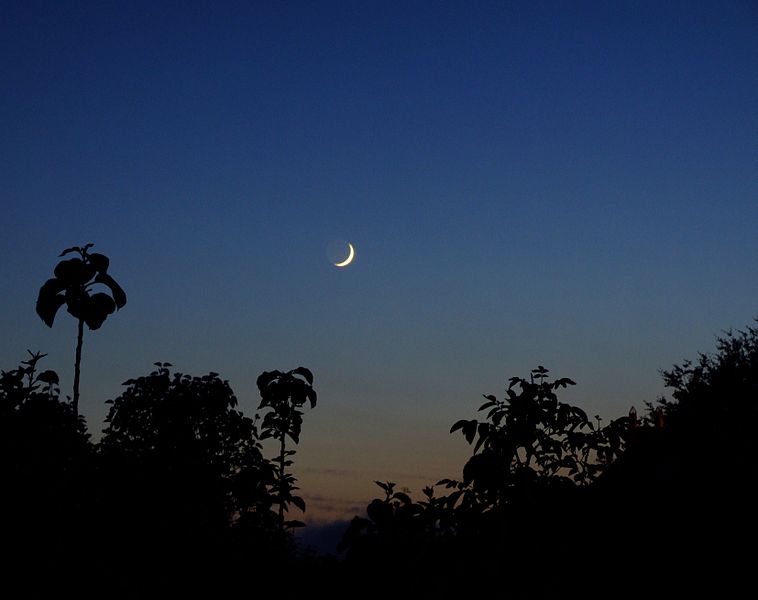
Crescent_Moon_(2558144570)

The Crescent Moon rising at sunset, marking the start of the month of Ramadan

The month of Ramadan begins tomorrow, July 9, and lasts until August 7.  As many of this blog’s readers will know, observant Muslims will fast from dawn until sunset:  no food, no liquids…..no sports drinks or power bars.  The questions of ‘carb loading’ or ‘gluten free’, (‘should i drink some chocolate milk after my workout?‘) can all be put on the table until the evening.  The diet is one of pure abstinence, morning until night.

Muslim athletes are not unique in observing a fast: Catholic Christians will consume much less than usual if observing the prescribed tenets of Lent on Ash Wednesday and Good Friday, and Jewish athletes will go a full 24 hours consuming nothing on Yom Kippur: friends have told me they will be loath to brush their teeth or even shower, lest anything whatsoever pass into their mouths on that, the holiest day in the Jewish calendar.

And, of course, there are athletes who experiment with fasts, juices and cleanses that have nothing to do with religious observance (I’ve tried the “Master Cleanse” myself once).

What may be unique, however, to Islam  is the duration of the practice:  a full 30 days, where an observant Muslim will forego all food and drink from dawn (Sahur) to dusk (Iftar).

I admire the discipline the act of fasting requires.  As a sports medicine clinician, I have often wondered how athletes observing such fasts might be impacted.  Of course, I am  not alone in this, as the subject of the Ramadan fast and its effect on athletes was, for instance, a subject of considerable interest in the 2012 London Olympics, which took place during Ramadan.  The effects of Ramadan on sports performance have even been discussed in this blog in a 2011 post.  And now  the most recent issue of the CJSM, which rolls out today, highlights a study looking at this very practice of fasting and its impact on footballers:  “Does Ramadan Affect the Risk of Injury in Professional Football.” Read more of this post

Novak Djokovic: Gluten-free and Gumbyesque

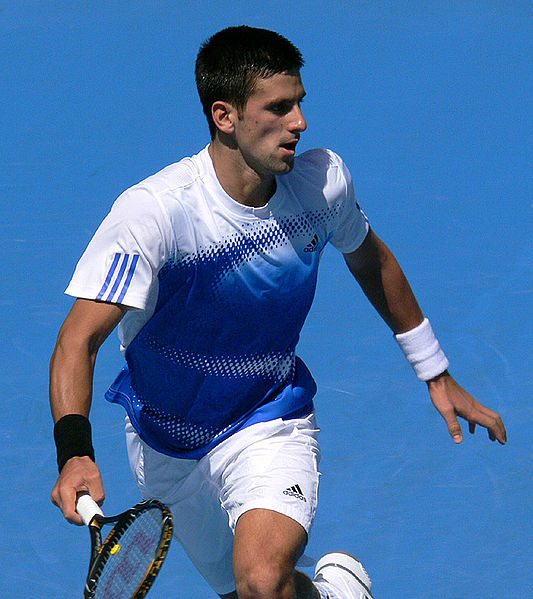
djokovic aussie open

Novak Djokovic at the Aussie Open

The Wimbledon Championships end tomorrow, with the Gentleman’s Singles Final pairing now set:  either Novak Djokovic or Andy Murray will raise the Championship Silver Cup by day’s end, barring rain delay or marathon tennis match…..

It has been another great fortnight of tennis, highlighted by Djokovic’s historic semi-final win over Juan Martin del Portro yesterday.  Djokovic seems to get involved in these epic five-set Grand Slam matches, having just been on the losing end of such a match at the French Open.  His opponent that day, Rafael Nadal, was quoted as saying:  “‘I learnt during all my career to enjoy suffering, and these kind of matches are very special….I really enjoy suffering.” This statement was given, mind you, by the victor!

I remain impressed with Djokovic’s supreme athleticism and his ability to inflict suffering on others on the tennis court!  It got me to thinking yesterday:  what are the sources of his talents?

There have been interesting discussions of at least two of his singular attributes:   his flexibility and his devotion to his gluten-free diet. Read more of this post

The Confederations Cup and Estadio do Maracana

Maracana_internal_view_april_2013

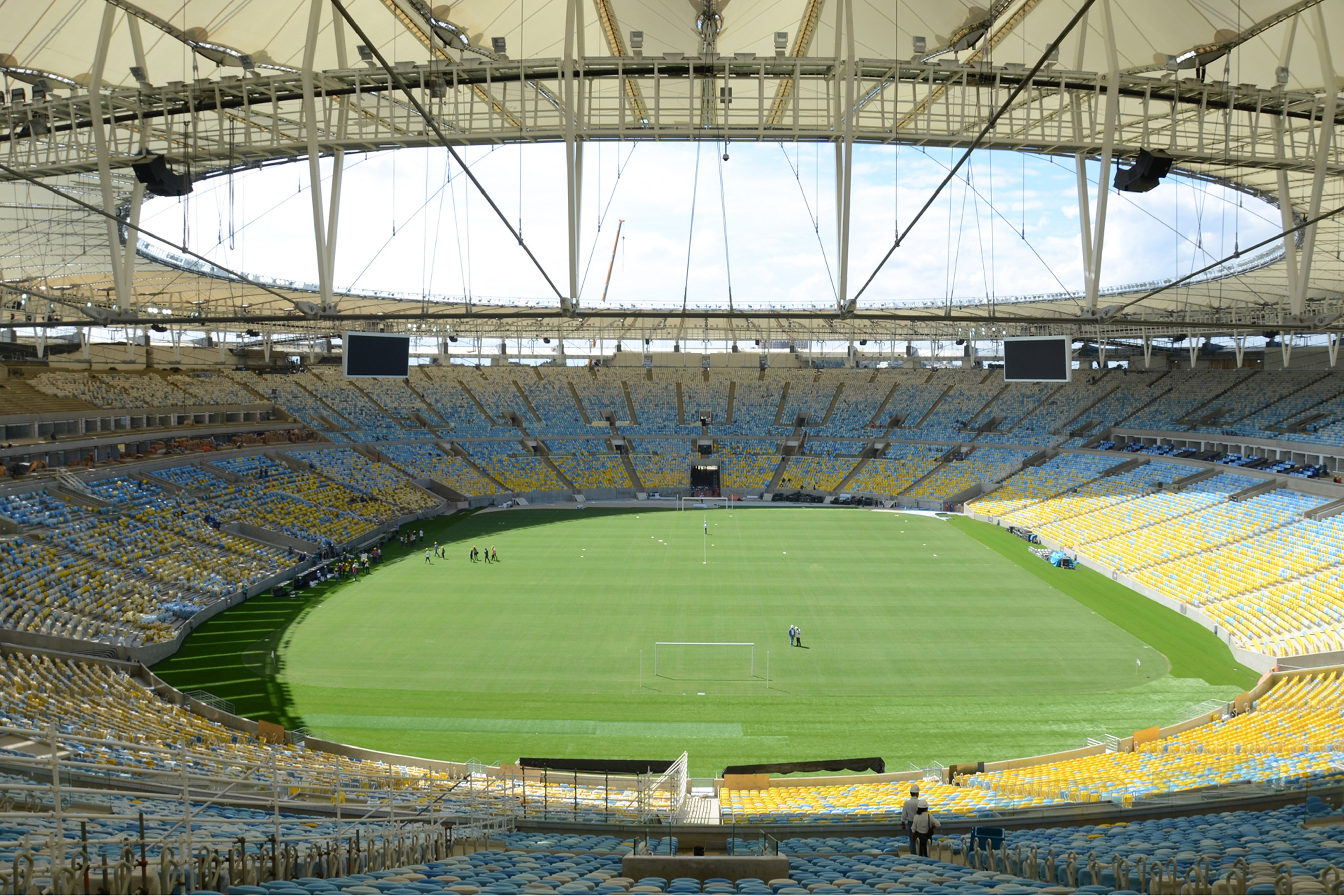
Seleção Brasileira played on the grass of Estadio do Maracana.
Photo courtesy of Erica Ramalho/Wikimedia

Brazil was in epic form last night when they ripped Spain 3 – 0 to win the Confederation’s Cup in Rio’s glittering Estadio do Maracana (Maracana Stadium).

As many of the readers know, there have also been epic clashes throughout the country.  Large crowds have protested several issues, not the least of which is the huge capital investment the country is making in its sporting infrastructure, in lieu of other public works, heading into the 2014 World Cup and 2016 Summer Olympics (in Rio de Janeiro).

I certainly don’t pretend to understand the politics, but last night’s glorious football got me to thinking about a sports medicine controversy:  turf v. grass, which playing surface is safer for football (futbol, soccer) players?

This blog has discussed this issue before, with posts by me and the  previous on line editor, Chris Hughes, which I would recommend to you.

But today, I thought I would put the issue to the readers:  which surface do you think is safer for football/soccer players?  Take the poll below, or at the journal’s main page, and let us know.  I’ll  post the results in a week.  Feel free as well to elaborate on your vote in the comments section below.

If you didn’t get the chance to check out our blog posst on the weekend’s other huge sporting events,  the first stages of The Tour de France and Wimbledon, please do so and let us know what you think.

Is it really already July?!!  Have a good week!